



Immune health is vital for our well-being. While immunotherapy helps your immune system fight cancers with the help of vaccines, monoclonal antibodies, and T-cell transfer therapy, immune therapy prepares your organism to fight infections and diseases in general. In other words, immune therapy is recommended whenever we want to give our immune system a boost and increase our immune protection.
Ingredients
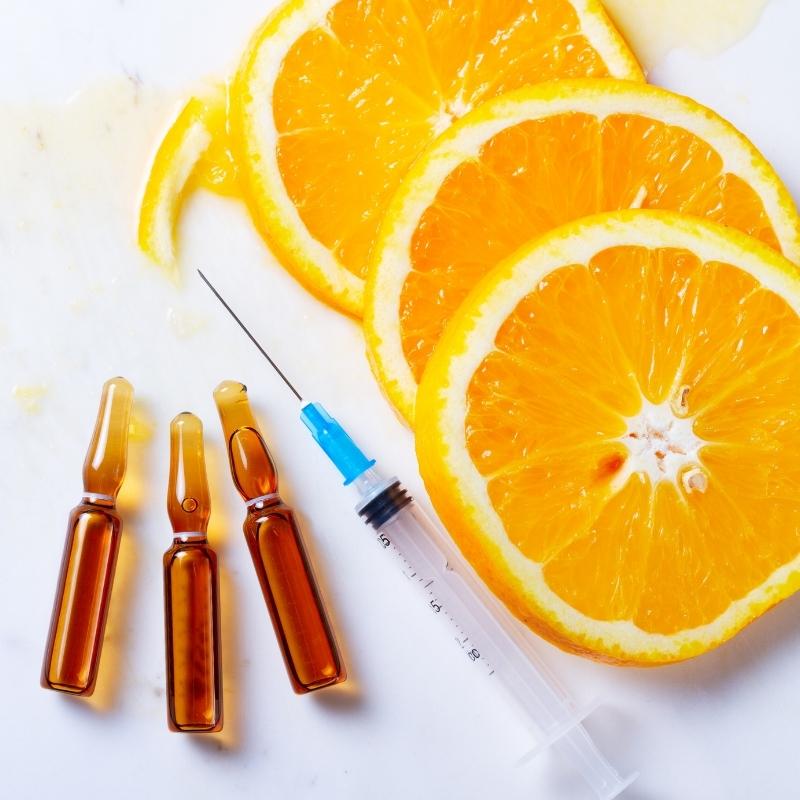
Immune booster shots are also known as “tri-immune boost injections” due to their three essential ingredients:
Ascorbic acid (vitamin C) (200 mg/mL) – renowned for its positive effects on immune systems, this powerful antioxidant supports various cellular functions and contributes to the growth and repair of body tissues. Furthermore, it is often used for skin health, wound healing, and iron deficiency prevention.
Zinc (5 mg/mL) – an essential mineral with maximum benefits for immunity, it contributes to cell growth, wound healing, and burning the fat in the body. Moreover, it has been proven to help combat infections and increase immune protection.
Glutathione (200 mg/mL) – an important amino acid that acts as an antioxidant, accelerates the body’s healing processes, detoxifies the liver, and contributes to immune protection. It protects host immune cells and contributes to the optimal functioning of other cells vital for an adequate immune response to an infection or severe disease.
Benefits
- Enhances the immune system
- Boosts antibodies
- Stimulates the body’s natural defense
- Contributes to a healthy immune response
- Restores the optimal functioning of the body
- Combats fatigue
- Decreases inflammation
- Improves skin quality
- Contributes to cancer treatments
The immune booster dose may be administered 1 to 3 times per week depending on the patient’s medical conditions and needs. Some recipients may only need 1 dose, but others may benefit from booster shots administered daily. Immune therapy needs to be adjusted according to the person’s health and goals. While the evidence shows that immune booster injections are natural and safe, it is recommended to always discuss this option with your physician, especially if you are planning to receive additional doses.
Do you want something more specific? Check our Vitamin Injections.
When should you get vitamin C injections?
An essential nutrient in our diet, daily doses of vitamin C are naturally present in citrus fruits and juice, as well as broccoli, strawberries, peppers, and Brussels sprouts. Whenever our diet leads to a vitamin C deficiency, dietary supplements with a high dose of vitamin C come to the rescue. However, there are times when oral doses of vitamin C are simply not enough to boost our levels of vitamin C. Furthermore, people with sensitive stomachs may report adverse reactions to the administration of oral vitamin C, especially when exposed to high concentrations of vitamin C.
Vitamin C injections are delivered directly into the blood and protect the stomach from irritation. Moreover, vitamin C shots help our body absorb a higher vitamin C concentration than the dose absorbed from oral vitamin C intake. Studies show that vitamin C supplementation can also help with weight loss and fat burning, but no decision should be made without consulting your healthcare professional.
Based on your current levels of vitamin C, your doctor can prescribe the right doses of vitamin C and recommend either oral vitamin C supplements, for illnesses like a common cold, or the administration of intravenous vitamin C for a boost of the immune system or enhanced physical well-being.
Do you know what else is vitamin C good for? Your immune system!