


Chemical peels are among the most effective non-surgical cosmetic procedures available today. They range from mild to deep and can be personalized to match the needs of your skin, as well as your recovery time and budget preferences. Chemical peels can be performed on an outpatient basis and are less costly than laser resurfacing procedures used to treat the same skin conditions.
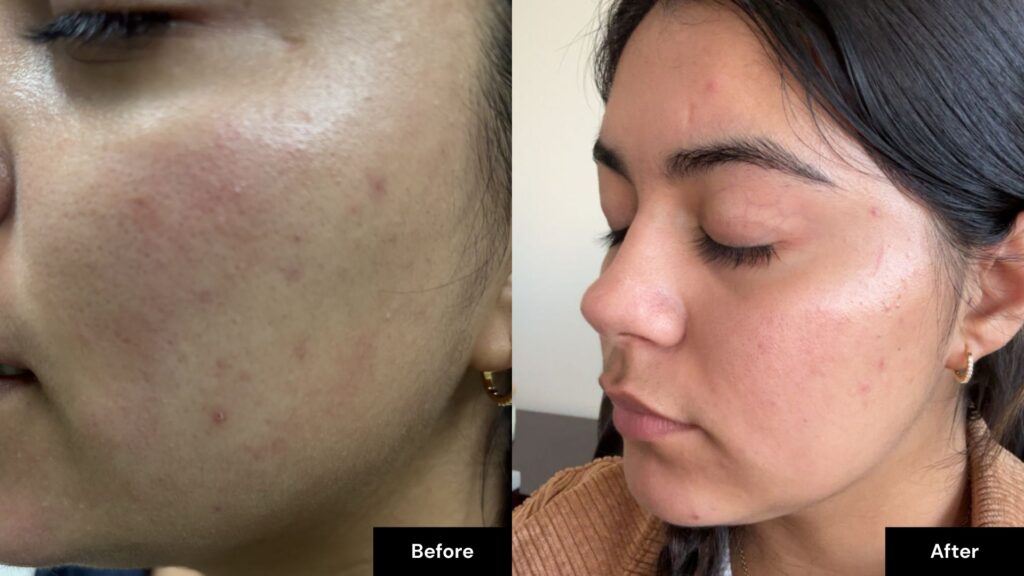
Patients who opt for chemical peels are looking to enjoy smoother and more radiant skin while treating skin problems like acne and acne scars, brown spots caused by sun exposure, melasma, and rough skin. Moreover, depending on the type of peel chosen, patients can notice reduced fine lines and wrinkles and brighter skin.
What Is a Chemical Peel?
A chemical peel is a cosmetic procedure created to treat sun-damaged skin, heal acne scars, and combat fine lines and wrinkles. The procedure uses certain types of acids to penetrate dermal layers, remove damaged skin cells, and boost collagen production for an improved skin texture. Chemical peels are usually performed on the face, neck, chest, and back of the hands.
Based on your skin condition and the desired effects, your dermatologist or skin care professional may recommend one of three types of chemical peels:
- Superficial peels are best for first-timers. The specialist uses lactic acid, salicylic acid, or glycolic acid to perform a gentle peeling of the outer layer of skin and reveal glowing and softer skin.
- Medium peels penetrate the skin deeper reaching the middle layers of skin. A medium peel is performed using trichloroacetic acid to combat age and brown spots, scars, and skin damage caused by sun exposure.
- Deep peels are usually sought by patients looking for dramatic improvements. Skin care specialists performing a deep chemical peel use phenol and high-percentage trichloroacetic acid to combat severe wrinkles, skin discoloration, and scarring.
Benefits of Cosmetic Peels (Chemical Peels)
If your skin looks dull, rough, or uneven no matter what you put on it, a peel can help address several concerns at once. Here are the benefits of chemical peels our clients notice most:
Smoother, brighter skin. A peel removes damaged outer cells and reveals fresher skin underneath, so your skin feels smoother and your complexion looks more even.
Fewer dark spots and reduced hyperpigmentation. Peels can help fade sunspots and discoloration that build up over the years. If hyperpigmentation is your main concern, tell us during your consultation, and we’ll choose a peel that matches your skin’s needs.
Help with acne and acne marks. Peels can help reduce breakouts and soften the marks they leave behind. If acne is your main concern, our acne treatments page explains how a peel fits into a full plan.
Softer fine lines. Depending on the peel you choose, you may notice an improvement in fine lines and wrinkles, as certain peels can also stimulate collagen production.
A treatment matched to your skin. Peels range from mild to deep, so we can match the strength to your goals, your downtime, and your budget.
Less downtime than you might expect. Light peels generally involve minimal downtime, although some redness and flaking may last several days. Peels are also generally less expensive than laser resurfacing treatments for similar concerns. Compare them with our laser skin resurfacing if you’re deciding between the two.
You can also treat areas beyond your face, including your neck, chest, and the backs of your hands. Many clients choose a back facial when they want to refresh the skin on their back.
Not sure which peel is right for you? We’ll walk you through it.
What to Expect During the Procedure?
Once you choose the type of peel best suited for your skin, the specialist will proceed with the treatment. They will apply the type of chemical solution recommended for your chemical peel on small areas of your face and leave it there for a period of time that can vary from a few minutes to an hour. Deep peels may require local anesthesia, sedation, and pain medication.
During the procedure, you may experience a burning, itching, and/or stinging sensation. When the procedure is done, your skin care specialist will apply cold compresses to neutralize the acid and clean your face. At the end of the procedure, they will apply moisturizers and sunscreen to nourish and protect your skin.
The first results of the procedure are noticeable immediately after the post-peel symptoms subside while the final results will reveal themselves in about three months from the procedure. Depending on the peel depth and your skincare routine, the results of a chemical peel can last from several months to 10 years.
Aftercare
Possible side effects of a chemical peel procedure include redness, swelling, and, for medium and deep peels the appearance of blisters. The blisters are a natural consequence of the controlled injury caused to remove the damaged skin. They will eventually crust and break allowing for the peeling process to reveal glowing and healthier-looking skin.
While light peels need only two to four days for recovery, medium and deep peels may need up to 14 days for the healing process to be complete. Deep peels require the most healing time with redness and flaking lasting up to three months. Patients who opt for a deep peel usually receive pain medication to help them through the first one or two weeks.
For a chemical peel to be successful, patients are advised to follow an appropriate aftercare routine. They should avoid sun exposure, use only the recommended cosmetics, and refrain from picking the peeling skin. In rare cases, patients may experience more severe adverse effects like darkening or lightening of the skin color, often seen in patients with darker skin, or infections, especially if the patient has a history of cold sores.